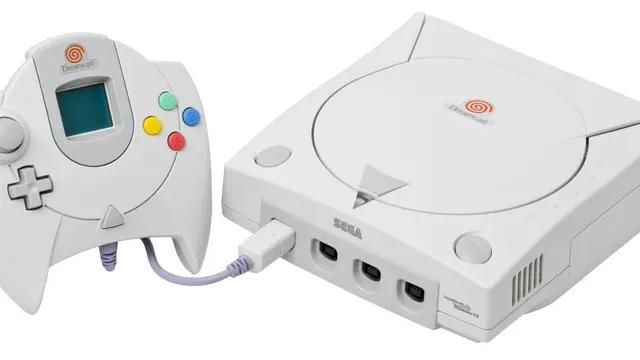
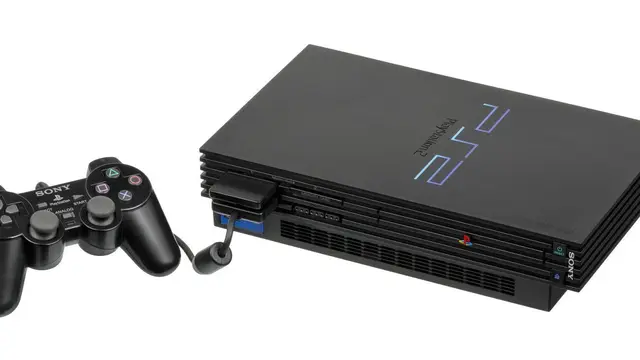
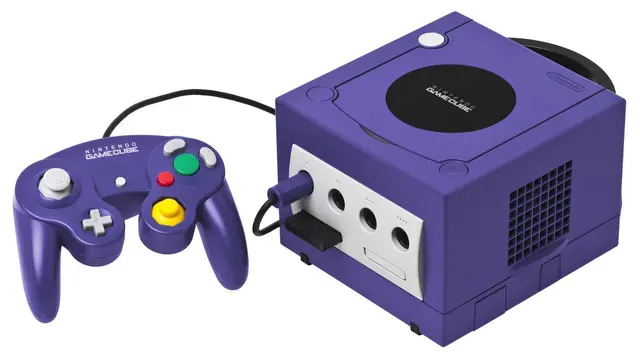
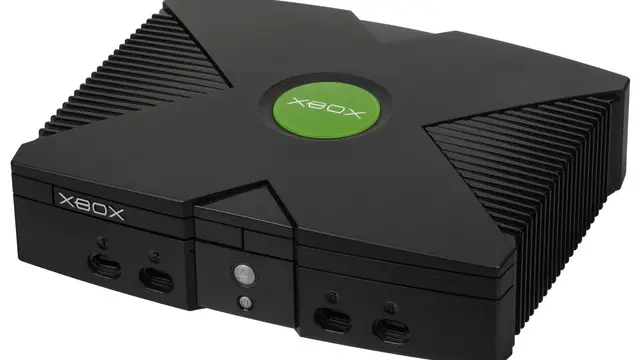
Between 1998 and 2001, four radically different consoles launched within an extremely short window. Dreamcast tried to bring the future into the living room. PlayStation 2 used DVD and backward compatibility as weapons. GameCube represented Nintendo’s most “core” philosophy. Xbox entered with brute-force PC hardware and aggressive third-party tactics.
It was not a normal generational transition. It was the most stacked, most brutal four-way collision in console history. Only one emerged dominant, but the rules of the entire industry were permanently rewritten.
1. Opening: The Three Chaotic Years (1998–2001)
In just 36 months, four machines representing completely different visions of the future were thrown into the market with almost no breathing room. After the exhausting 32-bit/64-bit wars, the industry was ready for something new — but no one expected four such different answers to arrive at the same time.
Players in the West and Asia suddenly faced real choice fatigue. In Taiwan and Hong Kong, water-goods stores often displayed all four machines side by side. In Japan, magazines ran endless “four-way comparison” features. The sense that “anything could happen” was stronger than any other generation.
This was the last time four genuinely different futures were fighting for the living room at once.
2. Dreamcast: The Future That Arrived Too Early
Dreamcast was technically a generation ahead — built-in modem, VMU with its own screen, easy NAOMI ports, and a genuine attempt to bring online gaming into the home in 1998.
Its tragedy was timing. After Sony publicly framed PlayStation 2 around DVD playback, backward compatibility, and the Emotion Engine in 1999, Dreamcast was quickly recast as a stopgap console. Many retailers and consumers chose to wait.
Today, on X, Reddit’s r/dreamcast, and among Japanese collectors, Dreamcast carries an unusually strong emotional attachment. It remains the ultimate “what if” machine of the era.
3. PlayStation 2: The DVD Trojan Horse
PlayStation 2 did not win through superior games or raw power alone. It won by making itself the safest, most future-proof choice for both consumers and retailers.
The built-in DVD player turned it into a household media device, while backward compatibility protected existing game libraries. Sony successfully sold the console as “the one you won’t regret buying.” This single strategy collapsed the momentum of the other three platforms almost simultaneously.
4. GameCube: Nintendo’s Most Misunderstood “Core” Console
GameCube was arguably Nintendo’s most “Nintendo-like” console of the sixth generation — compact, focused on gameplay, innovative controller, and deliberately avoiding the high-definition race.
Yet in the West it was widely dismissed as “for kids.” The lack of DVD support and online features at launch hurt its mainstream perception. Only years later did a strong revisionist wave emerge, with many now calling it Nintendo’s last truly pure gaming machine.
5. Xbox: Microsoft’s Brutal First Strike
Microsoft entered the console market with the most aggressive hardware and business strategy of the generation. Pentium III CPU, NVIDIA GPU, hard drive, and broadband out of the box — it was essentially a PC in a console shell.
The company spent heavily on third-party deals and marketing. While it struggled badly in Japan, it succeeded in establishing a permanent foothold in the West and proved that online gaming could be a standard feature rather than an experiment. Xbox Live changed the conversation permanently.
6. Four Hardware Philosophies in Direct Conflict
Few generations featured such dramatically different technical approaches fighting at the same time:
- Dreamcast: Developer-friendly with strong arcade heritage
- PlayStation 2: Powerful but notoriously difficult to develop for
- GameCube: Efficient and compact, but with storage limitations
- Xbox: Closest to PC architecture, favored by many Western developers
Multi-platform development during this era was notoriously painful. The same game could look and play noticeably different depending on the target hardware.
7. The Real Battle: Online, Media, and Third-Party Power
The true war was not about polygons or clock speeds. It was about who would control the living room experience going forward.
SegaNet was too early and too expensive. Xbox Live made online a core feature. PlayStation 2 leaned on its DVD capabilities to dominate media consumption. Third-party developers learned to follow the money and the easier development environments, shifting the balance of power in ways that still affect the industry today.
8. The Numbers and the Survivors
Final results were stark:
- Dreamcast: ~10.6 million units — Sega exits hardware forever
- PlayStation 2: Over 150 million units — the best-selling console of all time
- GameCube: ~21.7 million units — Nintendo survives but enters a defensive period
- Xbox: ~24 million units — Microsoft establishes a lasting presence
One company left the business. One nearly stumbled. One became dominant. One became a permanent player.
9. How We Remember It in 2026
On X, Reddit, Bilibili, and collector communities, the sixth generation is discussed with unusual nostalgia and “what if” energy. Common sentiments include:
- “The last generation where four truly different futures were on the table”
- “Dreamcast was punished for being early, GameCube for being pure”
- “After this, console wars became much more predictable and corporate”
Many collectors now actively seek out original Xbox units, Japanese Dreamcasts, and limited-edition GameCubes. The generation that once felt like chaos is now remembered as the most creatively chaotic — and therefore the most interesting.
After this generation, console competition would never again be a battle between four meaningfully different visions of the future. The rules became clearer, and much colder.