[ MUSEUM · DIRECTORY ]
Retro Console Museum
A half-century chronicle of home consoles, from Magnavox Odyssey to PS5
-
Gen 1
11972–19833 consolesGeneration 1 — Dedicated consoles
From Magnavox Odyssey to Atari Pong. Home consoles were born as TV peripherals — built-in games, no cartridges. The pre-crash pioneering era.
-
Gen 2
21976–19926 consolesGeneration 2 — The cartridge arrives
Atari 2600 opens the swappable-cartridge era. Intellivision and ColecoVision compete. The 1983 E.T. fiasco triggers the crash that nearly erases home gaming in North America.
-
Gen 3
31983–20034 consolesGeneration 3 — The 8-bit revival
On the ruins of the 1983 crash, Nintendo rebuilt the industry with the Famicom; Sega held Europe with the Master System; Atari 7800 made the final stand.
-
Gen 4
41987–20049 consolesGeneration 4 — The 16-bit war
SNES vs. Mega Drive — the great two-horse race. Mode 7 scaling, PCM audio, arcade-grade visuals at home. NEC PC Engine rises as a third force in Japan; Neo Geo AES brings raw arcade hardware into the living room.
-
Gen 5
51993–200611 consolesGeneration 5 — The polygon revolution
CD-ROM pushes capacity from megabytes to gigabytes. PS1 ushers in polygon 3D, N64 holds out with cartridges, Saturn captures Japan but loses overseas. Atari Jaguar, 3DO, and Pippin all fall.
-
Gen 6
61998–20135 consolesGeneration 6 — DVD and the network
Dreamcast was first to ship with a built-in modem — but Sega ran out of money and exited the hardware business. PS2 hit 160M units (still the record) by doubling as a DVD player. Xbox arrived with Halo and online services; GameCube kept its faithful.
-
Gen 7
72004–20173 consolesGeneration 7 — HD and motion controls
Wii broke through the core-gamer wall with motion controls and crossed 100M. PS3 bet the future on the Cell processor and Blu-ray. Xbox 360 defined the online era with Live and integrated multiplayer.
-
Gen 8
82012–現在4 consolesGeneration 8 — Platforms and services
PS4 hit back at Xbox One with "for the players" and reclaimed the mainstream. Wii U fell with the post-motion-controls hangover. Switch fused console and handheld, redefining Nintendo for the next decade.
-
Gen 9
92020–現在4 consolesGeneration 9 — SSD and ray tracing
PS5 / Xbox Series brought NVMe SSDs, hardware ray tracing, and 3D audio into the living room. Switch 2 took over. Cloud gaming finally became usable — but did not replace the console itself.
-
Handheld
H1979–現在21 consolesHandheld Branch — A world in your pocket
From Microvision through Game Boy (which set the template), DS (dual-screen innovation), PSP (raw hardware push), to Vita and 3DS as final acts. Handhelds evolved in parallel with home consoles — and the two kept bleeding into each other.
[ SPECIAL EXHIBITIONS ]
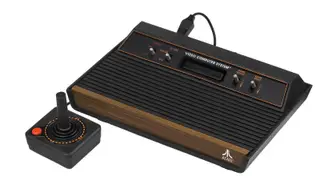
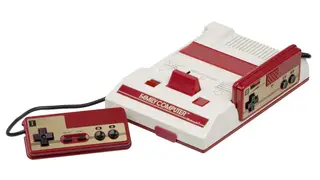
The Atari Crash
After the Atari 2600 boom, North American consoles froze under oversupply, weak quality control, and broken retailer trust. NES revival started by repairing that damage.
Enter exhibit →
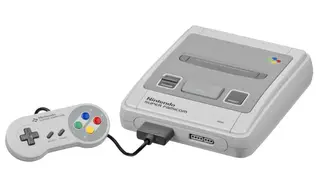
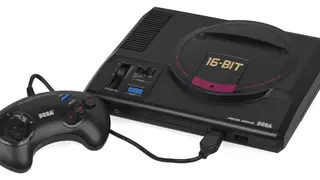
The 16-bit War
Mega Drive challenged Nintendo with speed and attack advertising; Super Famicom answered with color, sound, and RPG gravity. From here on, console wars were no longer just spec sheets.
Enter exhibit →
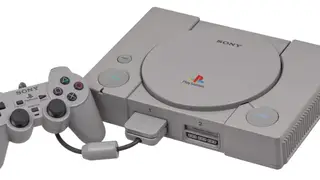
Before PlayStation
Nintendo and Sony’s SFC CD-ROM partnership collapsed, turning an accessory plan into an independent console. Sometimes console wars begin in contracts.
Enter exhibit →
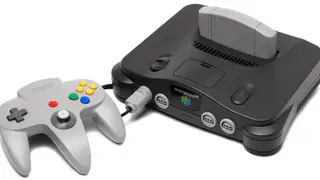
The Polygon Revolution
PlayStation, Saturn, and Nintendo 64 moved console competition into CD-ROM, 3D space, memory cards, and analog control. Modern games took shape here first.
Enter exhibit →
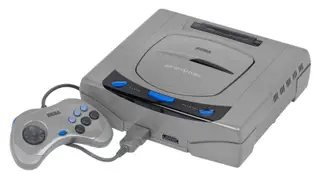
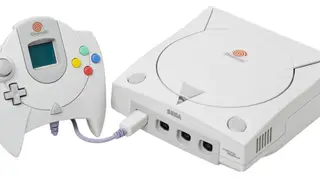
How Sega Left the Console Business
From the 1995 Saturn E3 surprise launch and the 32X / Sega CD bleed-out to Dreamcast falling against PS2’s built-in DVD player — Sega did not crash. It dismantled itself over seven years.
Enter exhibit →
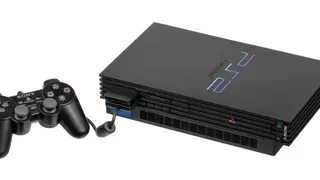
The Sixth Generation Deathmatch
Dreamcast, PlayStation 2, GameCube, and Xbox launched between 1998 and 2001. This was not a normal transition, but four competing futures being settled at once.
Enter exhibit →
The Gray-Market Memory of the Chinese-Speaking World
Subor learning machines, iQue Player, Gamate, Super A'Can, Watara Supervision — a 1987-2007 history of gray-market hardware that ran in parallel to the licensed Nintendo timeline.
Enter exhibit →
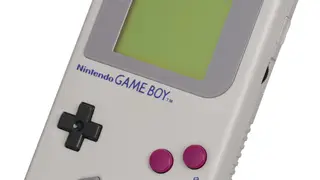
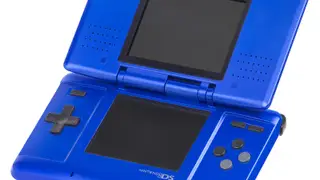
The Three Acts of the Handheld Wars
Game Boy beat color with monochrome (1989); Nintendo DS beat optical discs with touch (2004); iPhone killed PS Vita (2011). A thirty-year, three-act history of the handheld wars — and how Switch ended the war by walking off the battlefield.
Enter exhibit →
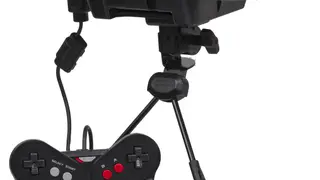
The Museum of Failed Consoles
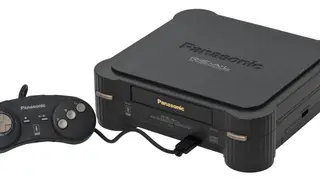
A taxonomy of twelve failed consoles: those that launched too early (CDTV, Marty, 3DO, CD32), those that bet on the wrong axis (PC-FX, Virtual Boy, Pippin, Loopy), and those orphaned by an ending era (N-Gage, Zodiac, Game.com, R-Zone).
Enter exhibit →
— 千葉熊