[ SPECIAL EXHIBITION · 1994-2001 ]
How Sega Left the Console Business
Sega did not lose to a single console. For seven years — from late Mega Drive through Dreamcast — it was squeezed at once by its own add-ons, scattered development resources, overconfident market calls, and a Sony PS2 with a built-in DVD player. On 31 January 2001, Sega announced it would discontinue Dreamcast and exit the hardware business. That was not a crash. It was a slow disassembly.
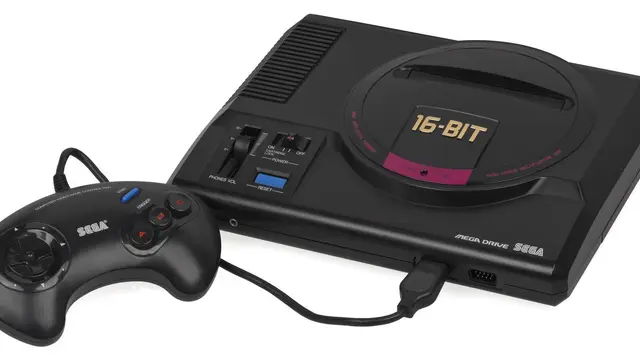
Mega Drive / Genesis
View Mega Drive exhibit
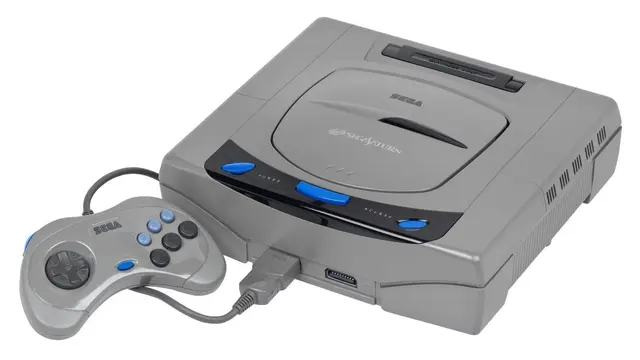
Sega Saturn
View Saturn exhibit
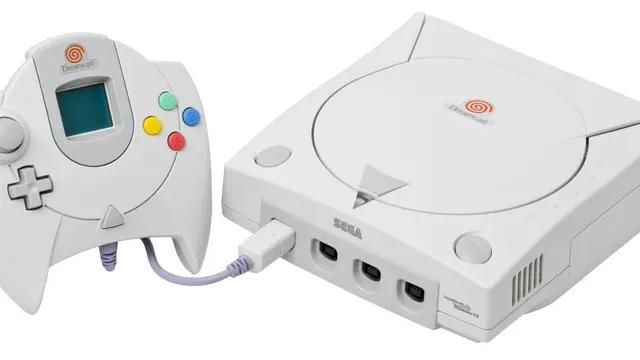
Dreamcast
View Dreamcast exhibit
Saturn opened high and slid
Saturn launched in Japan on 22 November 1994, one week before PS1. Its dual SH-2 + VDP1/VDP2 multi-chip architecture produced spectacular 2D (Virtua Fighter 2, Radiant Silvergun), but 3D was painful enough that most third parties chose PS1. At E3 May 1995, Tom Kalinske surprise-launched Saturn in North America early — KB Toys and Walmart refused to stock it.
32X and Sega CD bled the base
Sega CD (1991) and 32X (November 1994) split Mega Drive owners into three camps — base console, CD add-on, 32X add-on, or wait for Saturn. 32X was killed 14 months after launch. By the time Saturn arrived, Sega’s core fans had already paid for two add-ons that did not last.
Dreamcast came a year early, and PS2 walked over it
Dreamcast launched in Japan on 27 November 1998 — a year before PS2. With a built-in 56K modem and SegaNet, it shipped console online play four years before Xbox Live. But when PS2 arrived in March 2000 with a built-in DVD player, retail DVD players cost ¥80,000 in Japan; PS2 was ¥39,800. Households bought PS2 as a DVD player that also played games. Dreamcast lost the hardware race the moment that math became visible.
On 31 January 2001, Sega officially ended Dreamcast and left console hardware. But Sega did not die. Sonic moved to GameCube in 2002 (Sonic Adventure 2 Battle). Sammy bought Sega in 2004 to form Sega Sammy Holdings. Atlus joined in 2013. Yakuza, Persona, and Sonic still ship today. Sega’s exit is not a failure story — it is a clean specimen of a hardware maker becoming a multi-platform software house.