[ SPECIAL EXHIBITION · 1988-1995 ]
Before PlayStation
PlayStation did not begin as Sony’s Nintendo killer. It began in the shadow of a Super Famicom CD-ROM project. A broken partnership, a Philips pivot, and internal Sony arguments turned an accessory plan into an independent console.
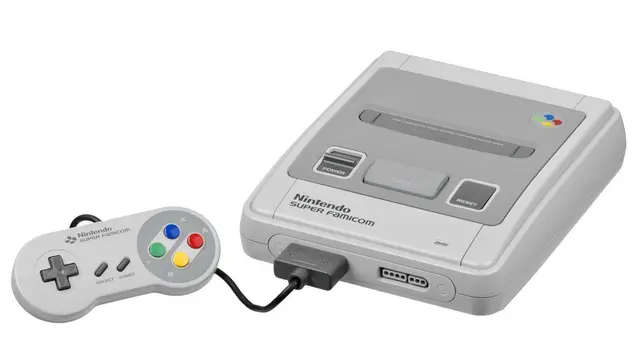
Super Famicom / SNES
View Super Famicom exhibit
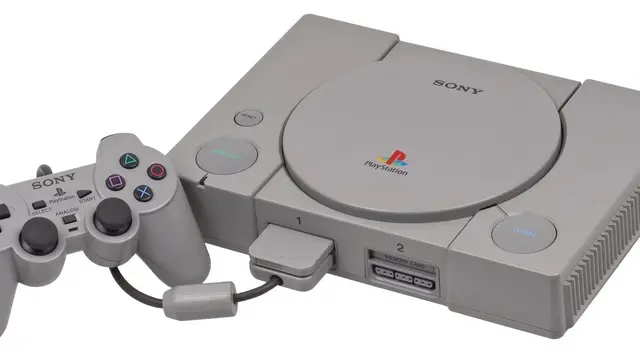
PlayStation
View PlayStation exhibit
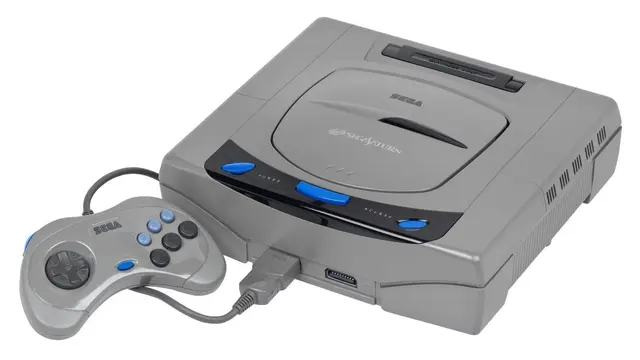
Sega Saturn
View Saturn exhibit
Nintendo wanted CD without losing control
Nintendo knew cartridges had limits and CD-ROM was becoming strategically important. But licensing, manufacturing, and platform control mattered more than capacity alone.
Sony wanted a platform
Sony had already built the SPC700 sound system for Super Famicom. Ken Kutaragi saw a larger path: not only components, but a Sony place in interactive entertainment.
The breakup created a rival
Nintendo’s Philips pivot could have ended the project. Instead, Sony chose to turn PlayStation into an independent console. Nintendo protected control and created its strongest challenger.
How the breakup happened
The audio collaboration opened the door
Sony and Nintendo's relationship did not appear from nowhere. Sony provided technical support for the Super Famicom's sound system; Ken Kutaragi pushed it forward internally at considerable career risk. After it succeeded, a CD-ROM collaboration looked like the natural next step.
SFC CD-ROM's conflict of interest
CD-ROM was not just about capacity. It involved who controlled the disc format, who collected licensing fees, and who held the software publishing relationship. Nintendo feared that Sony, via the disc spec, would extract platform revenue and third-party relationships.
The CES breakup became legend
The most dramatic version: after Sony publicly demonstrated the collaboration vision, Nintendo announced its pivot to Philips on the same convention floor. Details vary across accounts, but this moment became the iconic "commercial betrayal that birthed PlayStation" scene.
What were the two sides actually fighting over
Licensing fees
Nintendo's core business model was control of cartridge manufacturing and licensing. If Sony controlled the CD, software publishing and license revenue might no longer flow exclusively through Nintendo.
Third-party relationships
Whoever controls the media format sits closer to third-party publishers. Sony's ability later to attract developers quickly came from its weaponization of low disc costs, friendly development tools, and licensing terms.
Brand sovereignty
Nintendo wasn't blind to CD — it just refused to enter through a door someone else controlled. Sony wasn't looking to do contract parts work — it wanted to stand at the center of living-room entertainment itself.
Myth vs. fact
The story is not that comic-book. Inside Sony, the question of whether to continue with consoles at all was contested. PlayStation's survival was tied to Kutaragi's persistence and a corporate read on the multimedia future.
Nintendo saw it. It just refused to enter via a path that surrendered control. It maintained Philips collaboration shadows and tried various expansion forms, but conservative strategy cost it dearly in the fifth generation.
Capacity mattered. But the bigger factors were low pressing costs, friendly development environments, third-party policy, mature brand marketing, and Sony's reframing of games as part of youth culture and music culture.
The post-breakup historical echoes
Nintendo's path forward
- Super Famicom
Proof that Nintendo could still rule the 16-bit era through cartridges, first-party, and third-party quality — but the CD problem did not go away.
- Star Fox
The Super FX chip showed Nintendo could extend cartridge-plus-coprocessor technology to the bleeding edge, but also signaled escalating cartridge expansion costs.
- Nintendo 64
Low load times and strong first-party output came at the cost of capacity limits and third-party defection. Square's move to PlayStation was the most symbolic price paid.
Sony's opened path
- Ridge Racer
Namco arcade port that gave PlayStation mature 3D and a fashionable vibe from launch.
- Final Fantasy VII
Square's defection pushed PlayStation into the global RPG mainstream and made Nintendo's cartridge cost visible to everyone.
- Metal Gear Solid
Voice acting, disc capacity, cinematic staging, and adult-oriented packaging together proved Sony's platform direction was a working theory.
Curation notes
The Nintendo PlayStation that does not exist
The prototype that surfaced years later turned this history into a parallel-universe artifact: if Nintendo and Sony had not split, PlayStation might have been just a Super Famicom CD attachment, not the console that rewrote the industry.
Philips was not the winner
Nintendo turned to Philips in order to renegotiate control terms — but the Nintendo-licensed games that landed on Philips CD-i became an awkward sidebar. The party that actually picked up the historical opportunity was Sony, who refused to give up.
Square's exodus
Final Fantasy VII needed bigger capacity, lower costs, and heavy video staging. When Square chose PlayStation, it wasn't just one game switching platforms — third-party gravity was sliding from Nintendo's order to Sony's order.
From partner to generational champion
Sony had been the audio technology supplier behind Nintendo. A few years later it was standing at the center of the market. That inversion is one of the most theatrical commercial stories in 1990s console history.
Source framing
This page follows the conventional gaming-history narrative: Sony and Nintendo collaborated on Super Famicom CD-ROM / Play Station, which broke down over disc licensing and control disputes; Nintendo turned to Philips; Sony eventually developed PlayStation into an independent console. Details vary across interviews and histories, so this page focuses on "commercial breakup and platform power conflict" as the spine, rather than treating any single dramatized scene as complete causation. Further reading: Ken Kutaragi interviews, Game Over, The Ultimate History of Video Games, Polygon / IGN / Eurogamer retrospectives on the prototype and the collaboration breakdown.
PlayStation was born from platform power, licensing money, and corporate pride as much as technology. Console wars often start in contracts before they reach store shelves.