[ SPECIAL EXHIBITION · 1987-2007 ]
The Gray-Market Memory of the Chinese-Speaking World
For kids born in the late 1980s in the Chinese-speaking world, the first console was rarely a licensed Nintendo. It was the Subor with its keyboard ports sitting in a glass case at Zhonghua Market; the Gamate at half the price of a Game Boy on a night-market stall; the Watara Supervision in a Hong Kong electronics shop. This exhibit covers that hardware: gray devices that grew out of regulatory gaps, Taiwanese attempts at building original 16-bit consoles, and the ten-year delay before Nintendo finally arrived in mainland China through iQue.
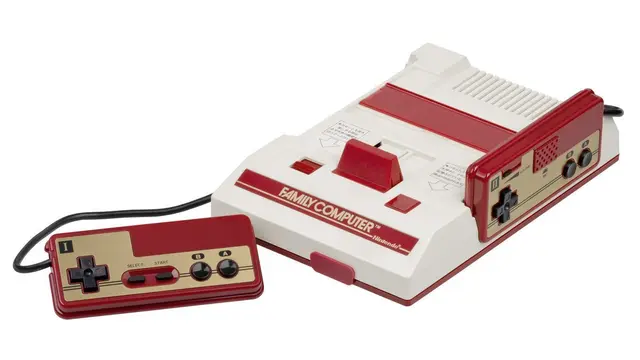
Subor (小霸王)
View Subor exhibit
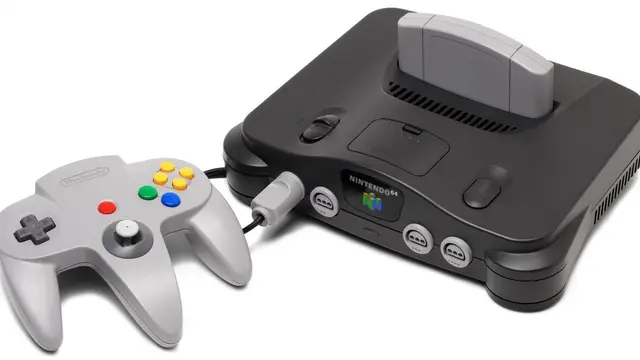
iQue Player
View iQue Player exhibit
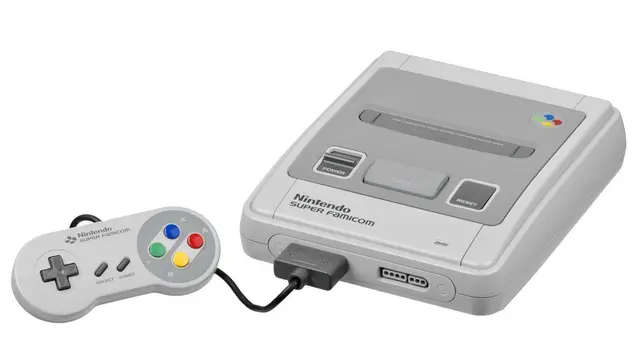
Super A'Can
View Super A'Can exhibit
The Yellow-Cart Dynasty (1987-1998)
Duan Yongping founded Subor in Zhongshan, Guangdong in 1987, packaging Famicom-compatible hardware as a "learning machine" — PS/2 keyboard, built-in BASIC, PC-styled chassis — to pass through China's then-active ban on game console imports. The 1993 Jackie Chan campaign locked the slogan in: "If you want your son to succeed, get him a Subor." Subor shipped tens of millions of units in the Chinese-speaking world. Parents thought they had bought a computer; children were playing Mario and Contra off yellow carts.
Two Taiwanese Tracks (1990-1996)
Taiwan's Bit Corporation released Gamate (超級小子) in 1990 — using flat plastic cards as cartridges, retailing at NT$1,500, less than half the price of a Game Boy, distributed heavily through Zhonghua Market. In 1995, Taipei's Funtech got more ambitious: five years of internal development under the codename "F16" produced the fully original Super A'Can at NT$5,990, attempting to fight on the 16-bit field. Gamate sold under 100,000 units; Super A'Can sold under 1,000.
Nintendo Arrived a Decade Late (2003-2007)
On 17 November 2003, iQue Ltd. — a joint venture between Nintendo and Wei Yen, one of the N64 RCP architects — released the iQue Player in Suzhou. The console was packed into the controller; games were loaded onto a 256 MB flash card via kiosks across China. This pre-dated Steam (2003) and Wii Shop (2006). But Subor had already redefined what a console meant in Chinese living rooms. iQue sold fewer than 150,000 units before pivoting to Nintendo handheld distribution after 2007.
The Chinese-speaking world's memory of the Famicom era was never the Japanese version. It was written into the keyboard of a Subor SB-486, the stack of plastic cards in a kid's pencil case for Gamate, the last batch of Sango Fighter cartridges before Funtech folded, and the kiosk download receipts for an iQue Player's 256 MB flash card. This is a hardware history that runs entirely parallel to the licensed Nintendo timeline — and whose central characters were never Nintendo.